I’d write a procrastination joke here, but I’ll do it tomorrow.
If I have learned one thing during my academic career, it’s to master the art of procrastination. Assignments unfinished, deadlines nearing, texts unanswered and sometimes eating cold food because “it tastes better that way” (it doesn’t). If a task had an opportunity to be delayed, trust me, I took it.
But finally this semester I realized that this wasn’t a quirky, funny or a #relatable habit anymore. This was affecting my lifestyle and not for the better — I was missing opportunities, delaying assignments, slowing down and in a constant state of stress and panic.
And with finals season approaching, I decided to take an honest look at what procrastination is, how it affected me and what I’m doing to finally break the cycle…slowly, messily, but intentionally.
What procrastination actually is

Ever had a task that you just decided to put off because you simply didn’t feel like it? Well, that’s procrastination. It allows you to push away a task and the unwanted feelings that come with it.
While procrastinating isn’t inherently a negative habit, when it becomes your go-to solution for everything, it can affect your mental and emotional wellbeing, and not to mention the ability to get things done.
Procrastination can come in various forms, and for me, it showed up as avoidance. I avoided tasks that made me anxious, overwhelmed or unsure of myself. Instead of starting an assignment, I’d suddenly convince myself my entire room needed a rearrangement or that I needed to scroll on TikTok for “five minutes” (we all know that’s code for one hour).
How it affected me
It was earlier this semester when I was cramming in my room, pulling yet another all-nighter for an assignment that I had known for two weeks but only started that night. My friends were already finished with the assignment and hanging out while I typed away like my life depended on it.
I remember thinking, “Is this really how I want to feel every day?”
Turns out, the answer was no. I didn’t want to keep living in a loop. I wanted space to breathe and space to do better.
And after years of liking the #relatable memes, saying “I work well under pressure” and laughing at the next “I put the pro in procrastination” t-shirt, I decided it was enough.
This wasn’t a time-management issue. It was an emotional one, and it was affecting me more than I realized:
- Constant guilt: Even when I wasn’t working, I was thinking about the work that I should be doing.
- Anxiety: Waiting until the last minute turned every deadline into a mini panic attack.
- Lower-quality work: Rushed work rarely allowed me to show my actual capability.
- Disrupted sleep schedules: The amount of all-nighters I pulled… let’s just say my dark circles spoke for themselves.
The hacks that helped me
Let’s be real, the “just start” advice doesn’t really work. What kept me motivated was having a clear idea of what needed to be done. Here’s what actually worked:
- Breaking a task into smaller tasks: Try typing out step-by-step instructions for yourself in the description and make your own personal deadlines.
- Five-minute rule: As soon as a task comes up, spend five minutes doing it with no excuse. Usually, once I start, I get into that zone and keep going.
- Silent accountability: Sit with a friend to study. No talking, just studying. (A sweet treat after the session helps.)
- Schedule your breaks: Weirdly enough, scheduling breaks helped me take fewer ones.
- Be compassionate with yourself: Negative thoughts can contribute a lot when it comes to procrastination. Sometimes all you need is reassurance from yourself.
- Removing the doom scroll: Sometimes it really is that phone. During study sessions, I literally leave my phone across the room. Out of sight = out of mind.
Where I am right now (I’m still working through it)
I’m not magically the most productive person in the world now. I’m still someone who fights the urge to say “I’ll do it later” every day. But now I’m more aware and intentional with my tasks. I’m also more forgiving when I slip up.
During this finals season, I’ve been able to create a study schedule and actually stick to it (OK, like 70 per cent of the time) as well as submit assignments before the deadline, which felt like a historical moment.
Yes, I still have miles to go, but I am miles far from where I began, and that’s something worth celebrating.
Even a small step is progress
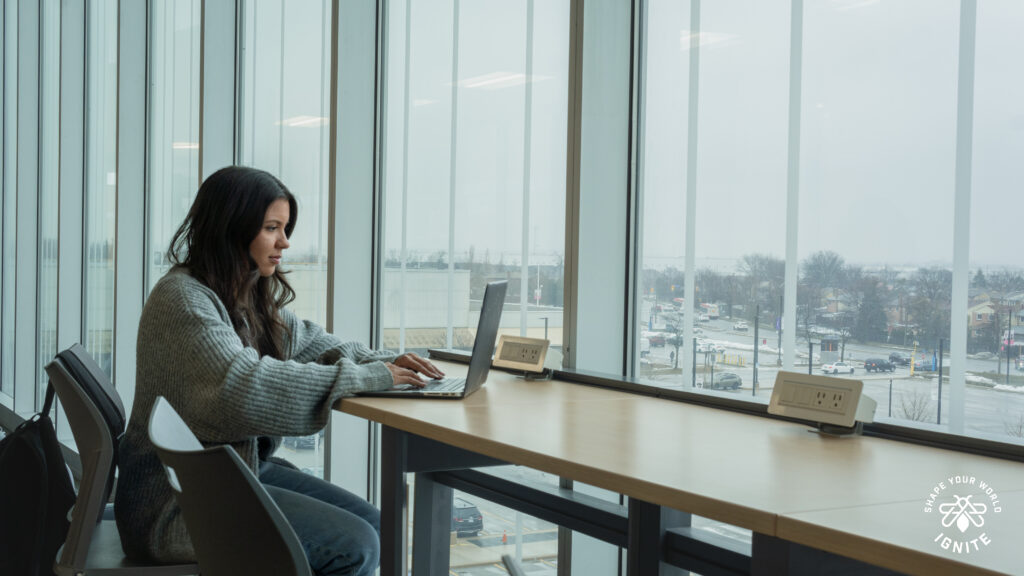
Change isn’t a linear process. Some days you’ll do better than others. But what matters at the end of the day is your will to do it.
So this finals season, if you are anything like me give these hacks a try.
Because even a small step is progress — You got this!
Feature image courtesy of Annie Spratt via Unsplash.
Having trouble finding any form of pleasure? Check out Anhedonia: is nothing fun?
Follow us on YouTube, Instagram and TikTok for all things student life.