“It’s important to be mindful of how you present yourself.”
– Michael Noehammer
Remember when “workplace professionalism” meant suits, silence and hiding your tattoos? Yeah, not so much anymore.
These days, tattoos are visible, workdays are flexible, mental health is finally being taken seriously and entry-level jobs are more than just fetching coffee.
So, what actually counts as “professional” now? And what should students and new grads keep in mind as they step into today’s ever-evolving workforce?
To find out, I spoke to Michael Noehammer, a Senior Recruiter at RBC Wealth Management and a Certified Human Resources Professional with over six years of experience. Before joining RBC, he worked with CIBC’s campus recruitment team, helping students and recent grads find co-op and entry-level opportunities.
He explained how workplace norms have changed and what students should know as they enter the workforce today.
Let’s hear the insights and important tips he shared for new grads.
Dress codes embrace self-expression

When asked about dress codes and self-expression at work, Noehammer said the pandemic was a turning point.
“Once the pandemic hit and working from home became more common, I think companies became a lot more relaxed on what you wore to work, in terms of formal dress,” he said.
“When it comes to tattoos and piercings, I think even in general—just in society—we’ve become more open and encouraging of self-expression and the workplace has kind of followed suit,” Noehammer mentioned.
That said, he adds, the expectation of professionalism remains and while individuality is embraced more than ever, it’s still important to be mindful of how you present yourself.
“If a tattoo might be considered inappropriate in a certain setting, it may be smart to cover it. But overall, as long as you show up looking clean and put-together and act professional, you’ll be in good shape,” Noehammer said.
Mental health and work-life balance
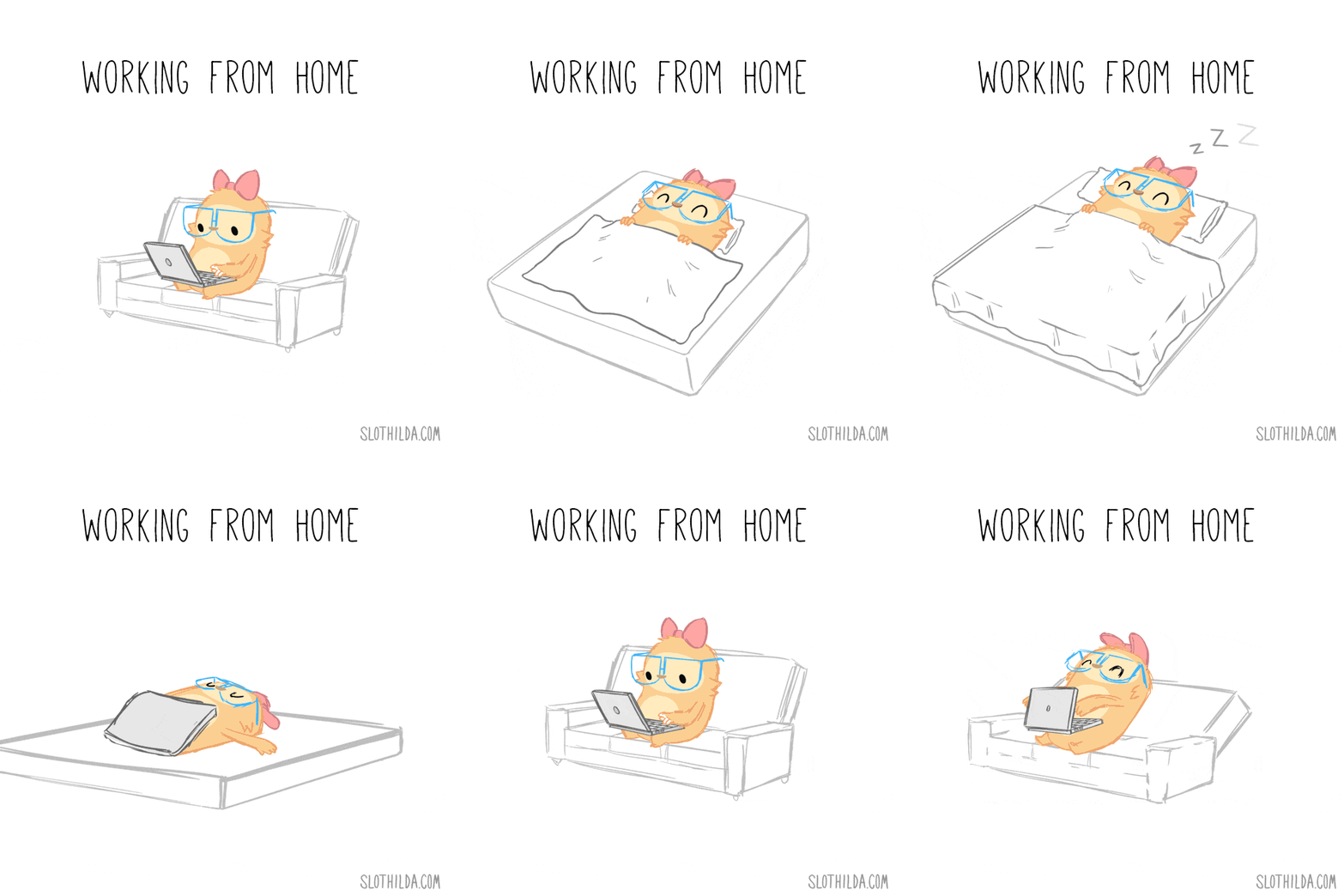
According to Noehammer, one of the biggest changes since 2020 is how employers view mental health and work-life balance.
He mentioned that with more people working remotely and flexible schedules becoming the norm, companies are realizing that happy, healthy employees are better employees.
“Now that people have realized that we are capable of working from home and we’ve seen that employees are generally happier when they have the freedom to work remotely, a lot of companies are rethinking how they support a work-life balance,” he said.
This shift is leading to more open conversations between employees and leadership and more personalized approaches to productivity.
Leadership built on trust and respect

Noehammer points out that today’s most effective leaders focus on collaboration rather than control.
“I think the old school mentality of leadership was more ‘crack the whip’ and make sure everyone falls in line, but I don’t think that’s necessarily the case anymore,” he said.
He believes respect and autonomy go a long way in building a productive team.
“These days, it’s less about micromanaging and more about trusting people to get the job done in a way that works for them,” he mentioned.
He believes effective leadership focuses on listening, adapting and treating employees like capable adults. The result? A workplace built on trust, not fear.
Understanding the unspoken rules
When asked about unspoken workplace rules new grads should know, Noehammer emphasized that attitude matters more than technical skills.
“When speaking with students or new grads entering the workforce, I always remind them that there’s going to be a lot of growing pains and a lot of on-the-spot learning,” he said.
But while mistakes are part of the process, small habits make a big difference.
“There are also a lot of small things you can do to stand out that don’t necessarily require hard skills, like showing up on time, putting in your best effort, asking questions,” he added.
He advised focusing on what you can control and putting your energy into consistently showing up.
“Challenges will come, but if you consistently show up, stay engaged and handle the basics well, you’ll lay a strong foundation for long-term career growth,” Noehammer mentioned.
Balancing confidence with humility
Noehammer said a common mistake new grads make is acting like they know it all instead of staying humble and open.
“I’ve seen some instances in which a young professional has just graduated and they’re very passionate about their area of expertise, but they come into the workforce thinking they know everything,” he said.
While fresh perspectives are valuable, he encourages grads to balance confidence with curiosity.
“They want to be the ones to make big changes and for seasoned professionals who have done things a certain way for a long time, this can be very frustrating,” he said.
He said new grads should share ideas, but remember they’re still learning and have much to understand about the workplace.
“It’s good to be confident, but coming in with humility and a willingness to learn will take you much further than arrogance ever will,” he added.
Advice for students entering the workforce

Noehammer’s biggest piece of advice? Come in with an open mind.
He also shared that your first job might not be too fascinating, but that doesn’t mean it can’t lead to bigger things.
“While your entry level job may not be the most glamorous, it can be a great learning opportunity, so be willing to learn and contribute wherever you can, ask questions,” Noehammer said.
He advises grads to get involved beyond their job description.
“I would also recommend getting involved in projects that are outside of your usual scope of work, if possible, whether that’s joining a committee or volunteering at a charity event that your company is hosting,” he said.
According to him, networking is key. Students should look for chances to meet people across the organization, it helps build long-term career growth.
Learning leads to growth

Noehammer’s insights are a solid reminder that you don’t need to have the workplace all figured out on day one. What matters most is showing up with curiosity, humility and a willingness to learn.
Your first job might not be your dream role, but it’s a chance to build the habits, skills and relationships that will shape your future career.
Stay open to feedback, get involved where you can and don’t be afraid to ask questions. Growth happens when you’re willing to adapt and take initiative, even outside your job description.
There’s a world of opportunity out there. If you show up willing to learn, you’ll go further than you imagined.
Good luck!
Feature image courtesy of Resume Genius via Unsplash
Currently applying for jobs? Check out how to level up your job hunting!
Follow us on YouTube, Instagram and TikTok for all things student life.