Let it out, the right way.
Post-secondary students are always busy. Scurrying from class to class, pondering what’s next on today’s agenda, all while balancing their own mental health. It’s difficult to get someone’s attention long enough to get your point across when you’re competing with other people, buzzing phones, anxious thoughts and narrowing attention spans.
So what gives? How can you parade your message?
Gather round

The opening moments are the most important for cultivating engagement and getting all eyes on you. Unfortunately, that doesn’t always go to plan. People have their own lives and problems to solve. The reality is that taking the time to listen attentively isn’t on many people’s daily to-do list.
So when someone does give you their time, even for only a few seconds, make it memorable, make it captivating. Grab people’s attention not by being the loudest in the room but by having a pseudo-headline ready to invoke interest and curiosity. If the message is a good one, people will notice and naturally be drawn to what comes next.
It’s what gives cliffhangers their power. It’s what drives every single one of us to let the next episode play with great intrigue. It’s what makes us turn the page and start the next chapter of a novel. And it’s what will help you garner attention so you can communicate clearly and effectively.
Get to it

Once you’ve earned people’s attention, don’t let it go to waste. Offer consistent value in your message and give everyone the gist. Whether you’re trying to contribute the next best idea in your group project or presenting ideas on how to make the school a better place, get right to it.
Be clear in your message, because rambling won’t convey what you want. Keep it short and sweet. Be sure there’s a clear takeaway to whomever you’re speaking with. Know what you’re offering to your listener. Are you trying to entertain? Persuade? Inform? Whatever your message is, let it be tangible, thought-provoking or asking something of your listener.
Whether you’re working on an assignment with a partner or proposing a presentation plan, there are no bad ideas. Just be sure that when you vocalize it, it’s concise and can be understood by everyone else. Give reasons why something is important or why an action should be carried out later.
Cool, calm and collected

Do it for your listener, not for yourself. Learn to be persuasive by being empathetic to what your listener wants.
Also, consider how your listener feels and what they might want out of the conversation. Use that as a gateway to fully express yourself.
Being the loudest one is often a way to grab people’s attention initially, but it isn’t a sound strategy for keeping it. Nobody wants to listen to someone who consistently has their voice raised. To communicate effectively, remain calm and be clear with your wording. Make it as easy to digest as possible for your listener after roping them in with your stellar headline.
When someone tunes out, take it as a learning opportunity. Were you rambling? Was the information not interesting or helpful? Or maybe it wasn’t anything you said, but something else took their attention. The human attention span isn’t what it used to be, so as long as you have someone truly listening, utilize it.
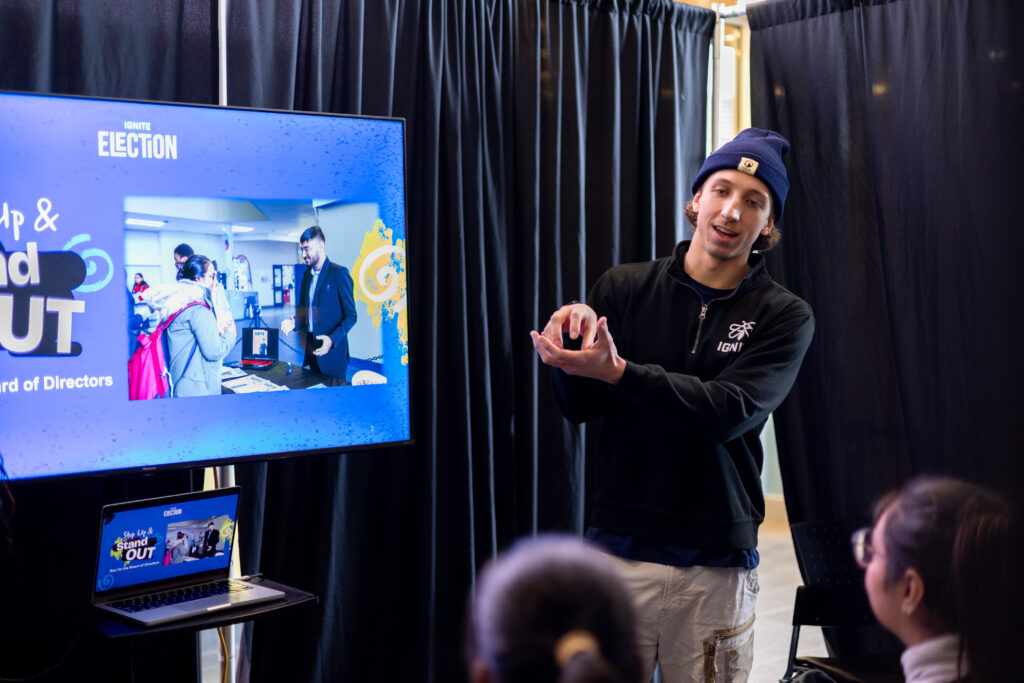
Get out there and deliver the next great class presentation with confidence or have more back-and-forth conversations with friends. Captivate a room, don’t demand attention, earn those listeners. Less is more. Keep calm, choose your words carefully and speak concisely.
Make your voice heard and get your message out there!
Feature image by Anastasiya Badun via Unsplash.
Make it easier on yourself, gather your points first. Start a journal and organize your mind!
Follow us on YouTube, Instagram and TikTok for all things student life.