In fear of missing out on experiences, don’t miss out on your happiness
“Woohoo, thank you for the best birthday!” your friend’s story reads.
A group picture. Why wasn’t I invited?
Tap.
“OOTD for my internship.” I should have worked harder to land an internship too.
Tap.
“Strava record in Tokyo, Japan.” Am I even making the most out of my life?”
Tap. Tap. Tap.
Your mind feels foggy, emotions are all over the place and you sense an overwhelming dread right before going to bed.
“Why am I so boring? That’s it, I’m going to start doing everything tomorrow.”
It’s a very familiar feeling; your quiet evening plans now sound a lot less exciting.
Welcome to the fear of missing out, aka FOMO.
While FOMO has always existed in some form, social media has transformed it into a daily experience. It’s easy to feel like everyone else is having more fun when you have constant access to other people’s highlights.
But how much of that feeling is actually real?
Online and offline
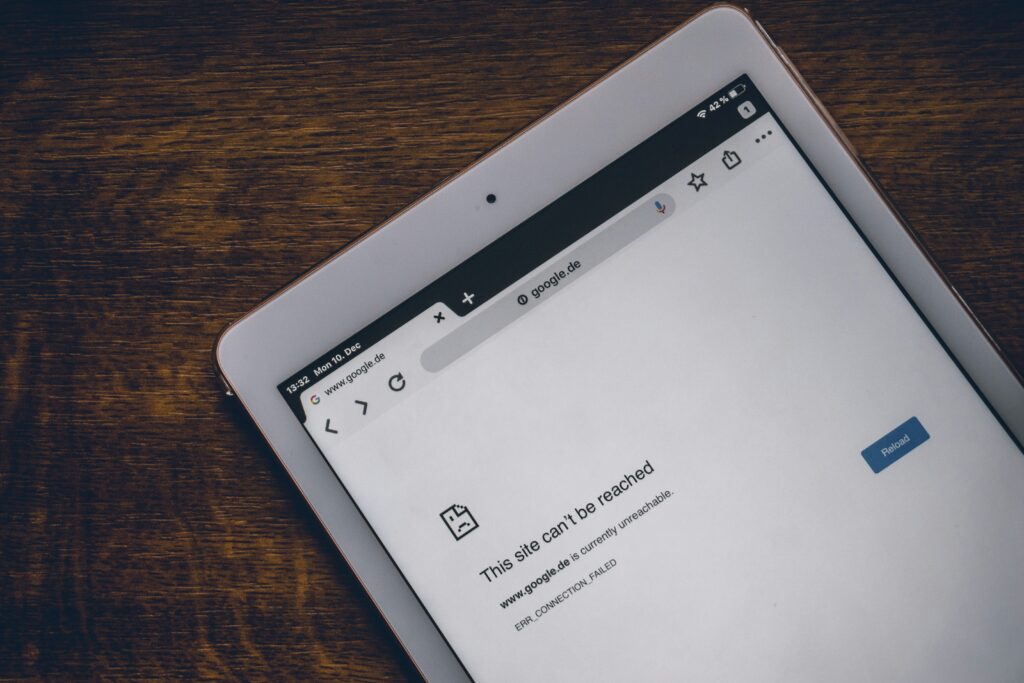
Real-life FOMO happens when you genuinely miss an event or opportunity that mattered to you. Maybe your friends went to a concert of the artist you have loved forever or you couldn’t make it to a gathering because of work or school. The disappointment is understandable, real, but still manageable because it is tied to a genuine reason for missing out.
Online FOMO is different.
The feeling doesn’t come from missing something you actually wanted to do; instead, it comes from the continuous awareness of what you potentially are missing out on, creating a distorted perception of the lives of others.
Social media creates an endless stream of milestones that you weren’t even aware of and as a result, you are now comparing yourself to hundreds of people all at once.
Social media’s impact
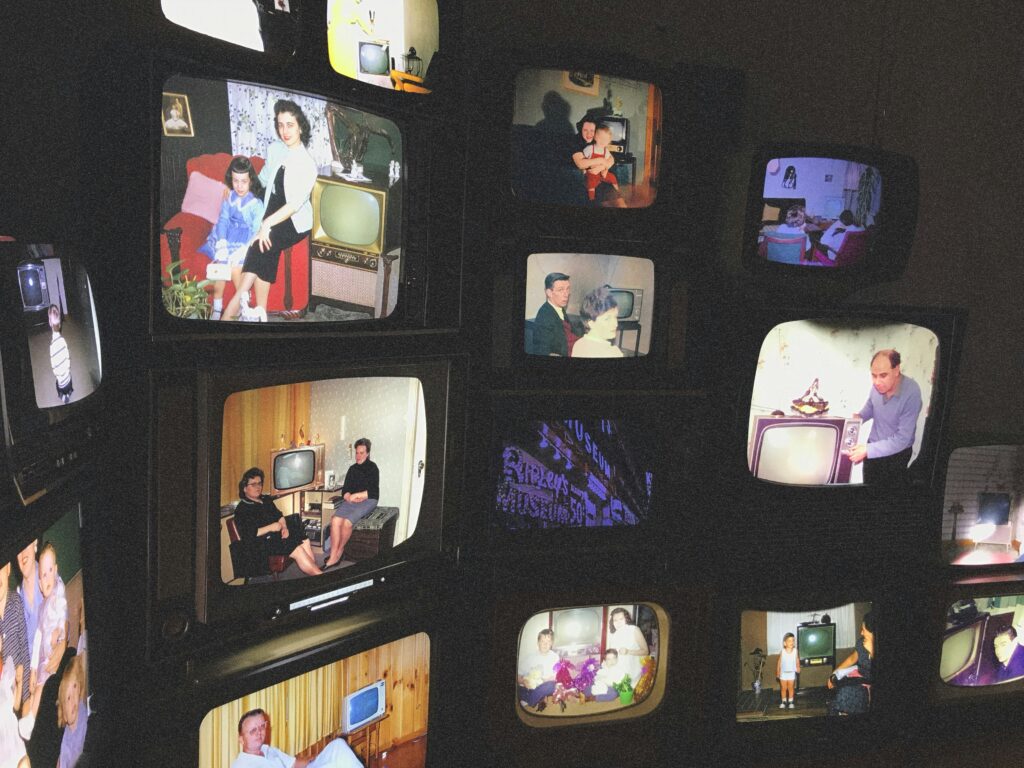
Social media is for people’s best moments. No one thinks about posting their everyday commutes, awkward conversations, or stressful shifts.
When you see their highlights, it’s because you are seeing the highlights of their life. The problem is that our brains often forget we’re looking at a curated version of everyone’s reality.
A two-hour concert can make for enough content to make someone’s weekend look like the best thing ever. Meanwhile, you are spending your day, relaxing, running errands or taking a break — activities that are completely normal and healthy but will never make it to anyone’s feed.
Pressure to be doing something

FOMO is all about pressure. Every scroll is a reminder that someone is doing more. And every following question will be “Why am I not doing more?”
But constantly chasing experiences will be exhausting.
The reality is that nobody is living an exciting life every day. Sometimes people just repost the same pictures again for memories, but many think that they are up to something every day.
As a result, our minds can end up feeling down or worse, guilty for resting, even when the rest is exactly what they need.
What happens when you put the phone down?

Test yourself. Put your phone down. This is one of the easiest ways to test the extent of FOMO once your screen is not the factor affecting it.
FOMO grows when we constantly consume others’ lives instead of participating in them. Think about the last time you actually enjoyed yourself. Was it hanging out with your friends? Taking a walk? Going to the movies by yourself? The options are endless. The only difference is that you weren’t thinking about what everyone else was doing at that moment.
Focus on elevating your experiences and watch the FOMO pressure fade away. The concert you missed out on yesterday suddenly makes you realize you weren’t into the artist as much as the FOMO felt watching your friend’s post.
Missing out isn’t always a bad thing

Have that uncomfortable conversation with yourself: You can’t do everything. In seeking to do everything, you’ll end up doing nothing you genuinely enjoy.
There will always be another trend, invitation, opportunity or something even more. Keeping up with all of them is impossible.
Change your “What am I missing?” to “What do I wish to choose for myself today?”
In basic economic terms, every choice comes with trade-offs. You can’t have it all, but you can have the best.
Your life isn’t boring

Next time you are convinced that everyone else is having the time of their life and you aren’t, switch off your phone. Take a moment to question what you are seeing.
Ask yourself if what you are seeing is only appealing in your feed?
Most times, the answer just needs time to be processed, and you’ll realize your FOMO only lives on your screen.
The best thing you can do? Focus on the experiences that make you genuinely happy.
Feature photo courtesy of Gnider Tam on Unsplash
Allyship all year round? Check out ways to show allyship beyond June.
Follow us on YouTube, Instagram and TikTok for all things student life.