Channelling my inner Gordon Ramsay.
Class is finally over. You’re starving. You head to the cafeteria ready to enjoy the meal you… prepped?
Oh right. You didn’t get time to prepare one today.
Between assignments, group projects, work shifts and trying to have a social life, cooking somehow becomes optional to post-secondary students.
And the cafeteria prices? Yikes, let’s just say your bank account feels it.
If this sounds like you, meal prep might be the perfect reset you didn’t know you needed.
The key to finding the right system? Figuring out the perfect balance between the amount of energy you want to put in and how often the same meal keeps you away from getting bored.
Let’s break it down.
So what is meal prepping?
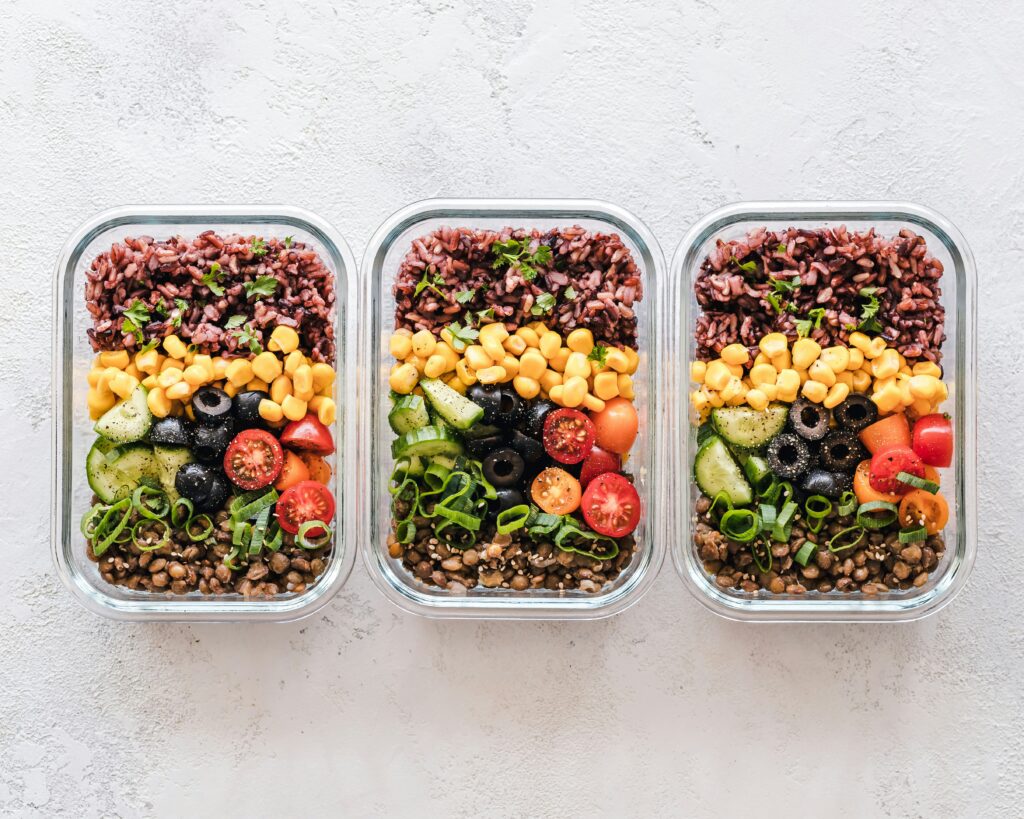
Before diving into different styles of meal prepping, let’s learn what it actually is.
Meal prepping simply means planning and preparing your meals ahead of time so that the future you has one less task to worry about.
Meal prepping saves you time, money and energy, especially during exam seasons.
No longer do you have to worry about last-minute takeouts or the daily “what should I eat today” decisions.
And for the students juggling classes and multiple part-time jobs: that energy saving? Huge!
The 4 P’s of meal prep

The process of meal prep can easily be understood by its 4 P’s — plan, purchase, prepare and pack.
- Plan: Look at your week. What are your busy days? Long days on campus? When are you able to dedicate your time to meal prep for the week? Once a week? Twice a week? Plan your meal prep process and the items you will need to purchase.
- Purchase: You have your list planned. Perfect. Purchase what fits your plan. This reduces food waste and random snack splurges.
- Prepare: Get your chef hat ready and start cooking, chopping or portioning depending on the method you chose (we’ll get there).
- Pack: Make it easy to grab and go. Keep it convenient for you.
Simple and structured, the 4P’s are your ultimate framework for meal prepping.
Meal prep is not one-size-fits-all

To keep it real, meal prep often fails when one tries to copy someone else’s routine instead of building their own.
Ask yourself:
- How much time do I realistically have?
- Do I get bored eating the same meal three days in a row?
- When is my energy lowest during the week?
- Do I prefer fresh food daily or grab-and-go convenience?
Answering these will help you find your exact style. Let’s explore a few.
1. Batch cooking
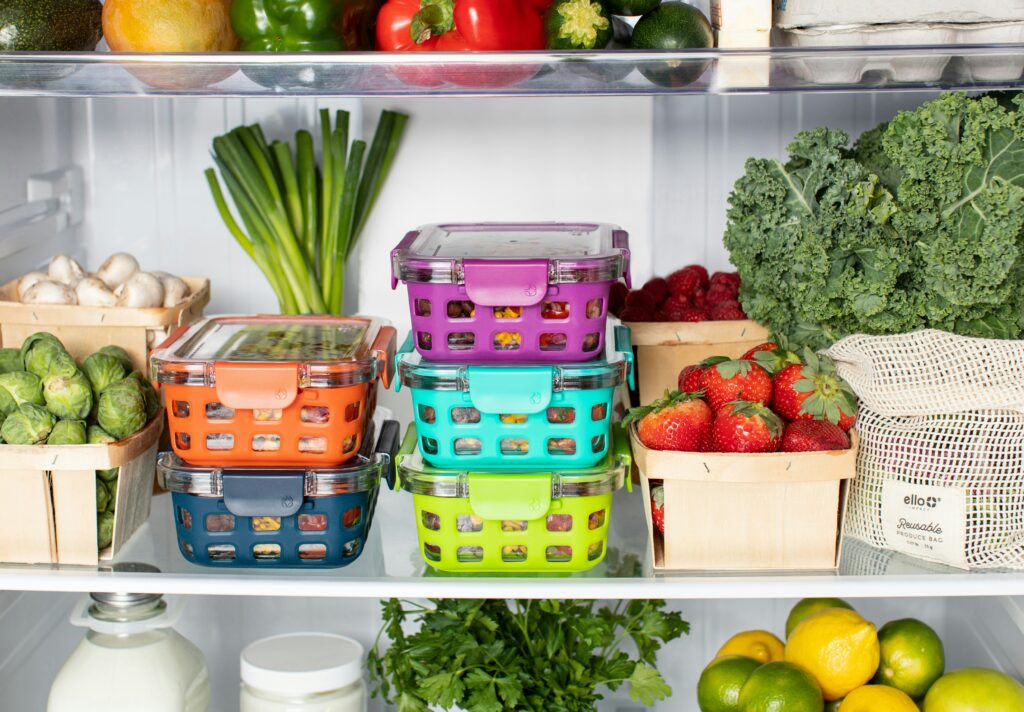
The classic method. You cook multiple portions at once and separate them into containers for the week.
You open your fridge, grab a container, microwave and done. Ready to eat!
Perfect for anyone who knows they won’t have enough time to cook during the week.
2. Prep once, cook daily
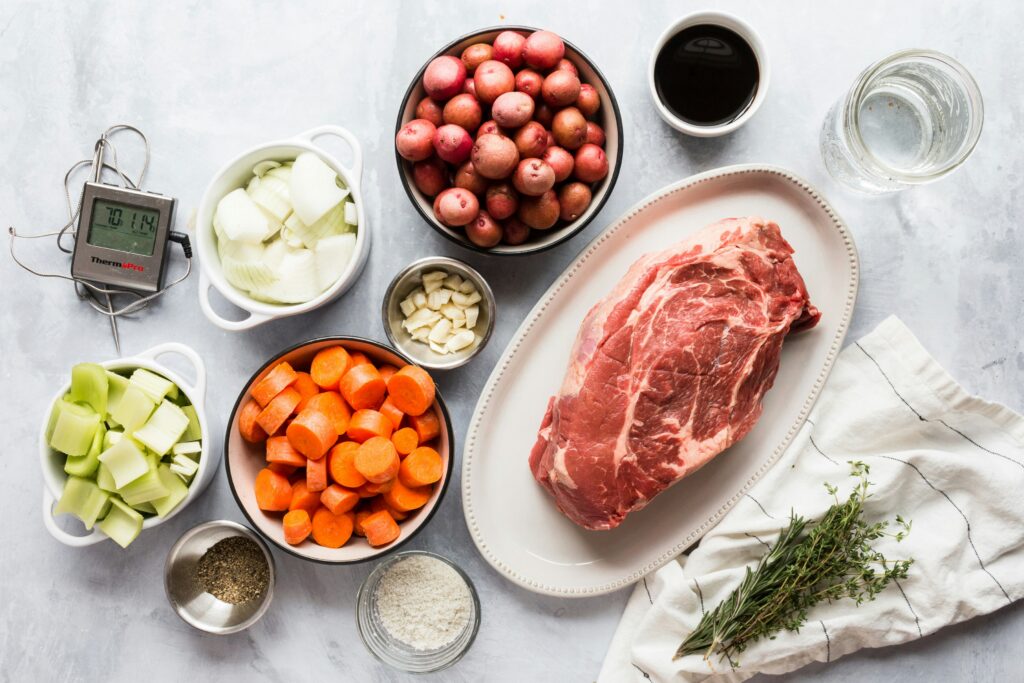
Instead of cooking full meals, you chop up vegetables, marinate your protein and pre-measure the ingredients for a specific meal.
Think of it like creating an all-in-one kit for your meal.
Then each day, all you have to do is assemble, and you have something fresh, just twice as fast.
3. Cook and freeze

Perfect for busy schedules while maintaining variety for meals.
You cook full meals and freeze them. When hungry, simply thaw and heat.
This method works well if you don’t want to get bored with the same meal, but also don’t have time to cook every day.
4. Chop and prep
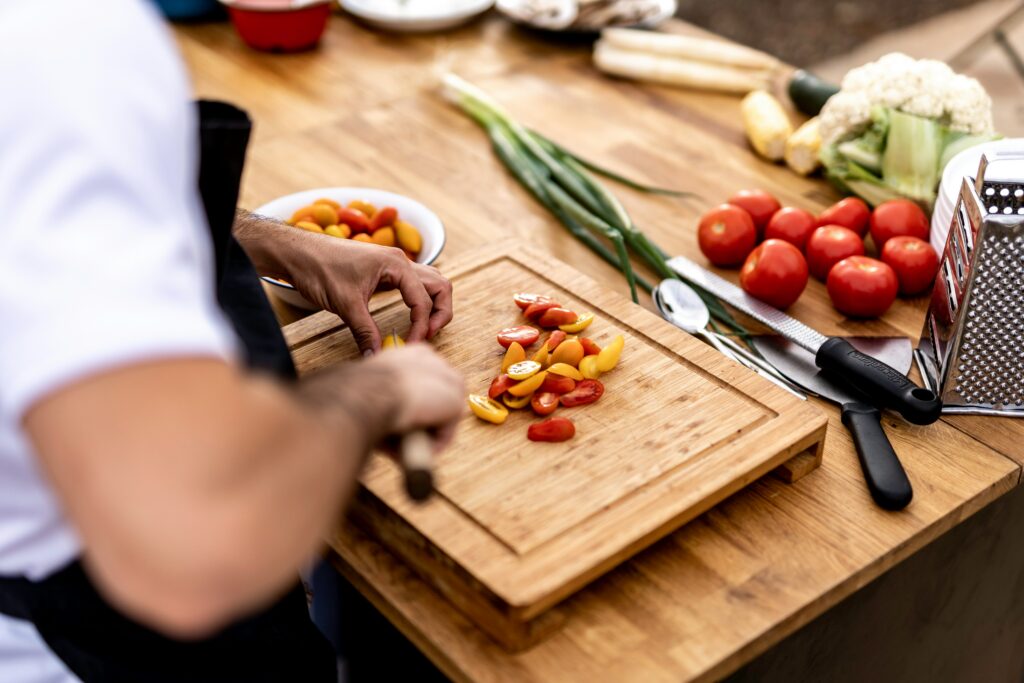
Unlike prepping once, this is the cook daily method. Here you wash up vegetables, measure out spices and cut your protein.
Think of it as your ingredient prep system.
This is perfect for when you like making spontaneous meal decisions and appreciate flexibility.
When you don’t prep — IGNITE has your back
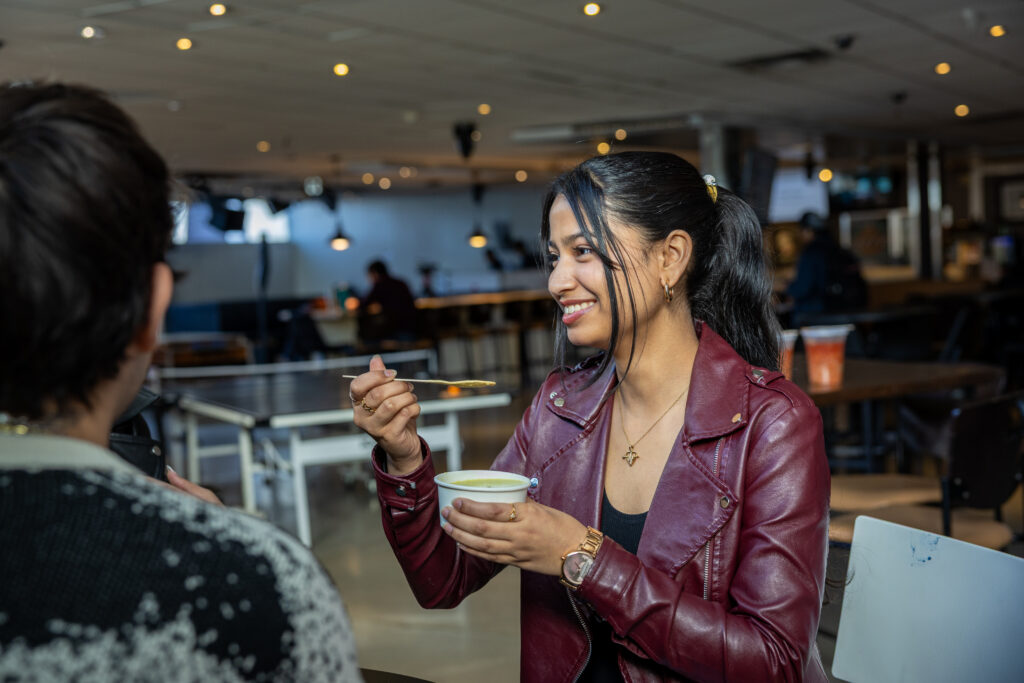
Meal prepping isn’t perfect, and there will be times when your routine doesn’t stay consistent. Here’s where IGNITE comes in.
On days when even meal prepping doesn’t work, the IGNITE Soupbar offers a variety of soups to keep you energized. Just grab one and eat away.
Do what works for you

Meal prepping shouldn’t be restrictive, it should ease your busy schedule one bite at a time.
When you plan ahead, you protect your budget, time and most importantly, energy.
The energy that you need the most as a student.
So next time your class ends and your stomach starts growling, imagine reaching into your bag and thinking:
“Oh, right. I did prep.”
There’s no better feeling.
Feature image courtesy of Simona Sergi via Unsplash.
Feeling distracted? Check out things that ruin your study flow!
Follow us on YouTube, Instagram and TikTok for all things student life.