The end is near!
Everyone wants to finish the semester on a high note, but after months of burnout taking its toll, we’re probably happy just to crawl across the finish line and chalk it up as a win.
That is, unless there’s a way to turn yourself into the most productive person of all time while still having a smile on your face. And there is!
Setting fake deadlines

Ending procrastination and finishing assignments as soon as possible isn’t as easy as it sounds. There are a million and one reasons why you can’t do something, and it becomes that much easier when the assignment isn’t due for another week.
Suddenly, when it’s due tonight, everything changes. There are no reasons, only work.
What if that was the case, but sooner rather than later? You’ll have all the assignments done, and the holiday can start that much earlier.
For this to work, you’ll have to trick your brain into believing the assignment is due when you say it is. Procrastination isn’t a fun place to be. Rather than putting it off and having all the icky feelings procrastination gives, make your assignment due today.
The Pomodoro method

Twenty-five minutes on, five minutes off. Sounds simple enough. It turns out that looking forward to a small break can make you produce better work and faster without burning out. Not only that, but it will mean you don’t put off the work. It’s much easier to start a project knowing there’s a five-minute break ahead of you every 25 minutes. Little by little, it’ll get done. Twenty-five minutes at a time.
There are also variations to this if the current iteration doesn’t work for you. Instead of a 25:5 ratio, you could do a 30:10, 45:15. As long as the break ratio doesn’t get close to the working one, you’re in the green. This method is about doing the work in small increments and avoiding burnout.
5-minute rule

It’s a lot easier to start something when you know it’s only going to take a few minutes. Committing to a task for only five minutes is just that. Doesn’t matter if the assignment is supposed to take 10 hours; it all starts with five minutes.
This technique is for people who have a difficult time starting, those who constantly procrastinate because it’s easier than starting a task. Once you start, though, you’ll find that five minutes might turn to 20 or 30 minutes or even hours of straight productivity without even trying. It’s about entering that flow state.
The five-minute rule is about starting the project without the pressure of having to sit there forever until it’s done. Just starting it and making minor dents in the assignment is the goal here.
Leave room to study for finals (don’t cram)

Cramming has been proven time and time again not to work. Students who cram don’t retain anything meaningful, and it burns them out for the big day.
Do yourself a favour. Use a mixture of the techniques above, whichever is best for you, and finish all your existing assignments. Give yourself room to breathe and do a bit of studying every night or every other night.
It’s about consistency and continual learning while still taking care of yourself. Make sure you’re getting good sleep and keeping stress levels as low as possible. Otherwise, it won’t matter how much studying you do.
Priorities: hard vs. easy assignments first
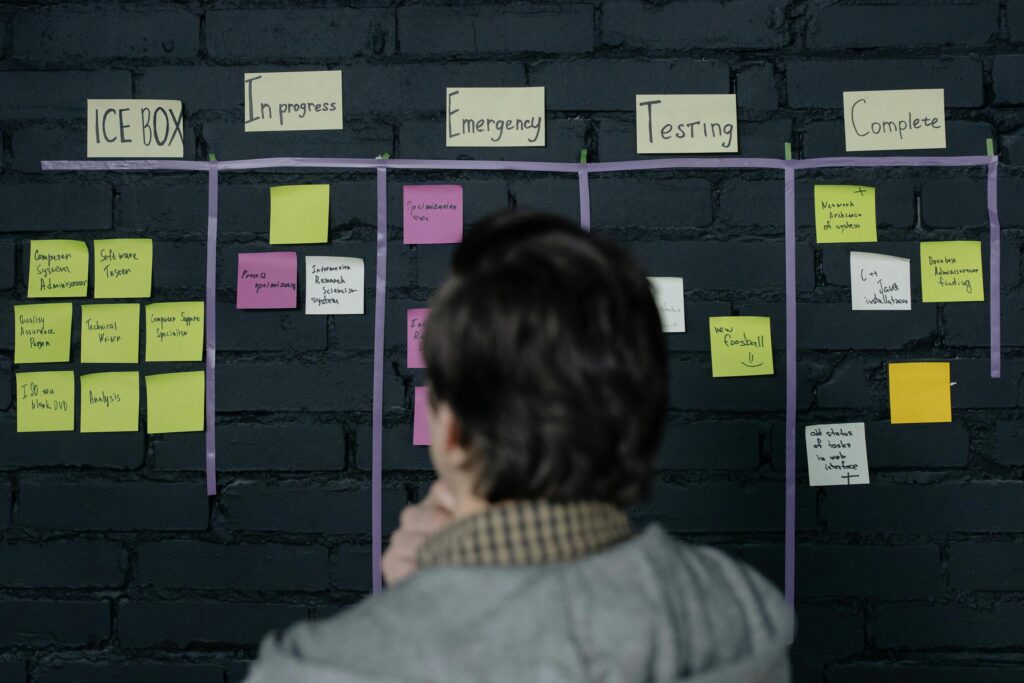
This is one that you probably should’ve been doing all year, but who can blame you? It’s difficult to stay organized and even more so when your schoolwork acts like a hydra. Finish one task, and two more grow in its place. After a while, everything gets tossed all over the place, and whatever is due today is what gets done.
However, toward the end of the school year, you’ll find that the hydra can be slain. Two more projects no longer grow. All you gotta do is cut off the head.
Set yourself up for success and establish a sustainable routine to accomplish everything. Prioritize each assignment using the fake deadlines you made up previously and how difficult you think each task will be. Doing the hard tasks first will be a huge relief. Alternatively, you could do the easier tasks first, but it won’t have a huge impact, although it may lead to snowballing.
It’s important to try out both these methods and see what works best for you. If you find yourself doing a small task and stopping for the day, then it might have been better to do something with more impact.
But if you do a small task, get into that flow state, then do more and more until you’ve accomplished a lot, then the snowball method may work for you.
Each day you’ll wither away at your backlog, and before you know it, you’ll have an early break just in time to study for your final.
Feature image courtesy of Yan Krukau via Pexels.
Be that much more productive and happy. Find out what happens when you take a digital detox!
Follow us on YouTube, Instagram and TikTok for all things student life.