“if you don’t manage your time, you’re cooked.”
– Neer Maroo and Andrés Mendivelso
At first glance, Humber and UofGh students may share the same hallways, cafeterias and even commute routes but academically, their worlds can be completely different. To explore just how truly these faculties differ, I sat down with Andrés Mendivelso, a student pursuing their bachelor’s in music, and Neer Maroo, a student pursuing his diploma in electromechanical engineering, for a conversation about their academic lives.
With talking to them both I was able to explore their honest reflections — from why they chose their programs to how campus culture shapes their student experience.
Why they chose their programs

For Neer, the decision to pursue electromechanical engineering was driven by his curiosity of how things worked. From a young age, he was fascinated by the functions of various machines and would often be found opening items up to learn about the inner workings.
“I have always been interested in tech since I was a kid. I’d open up toys, blenders, everything honestly, so that [engineering] was a pretty easy option for me to be honest.”
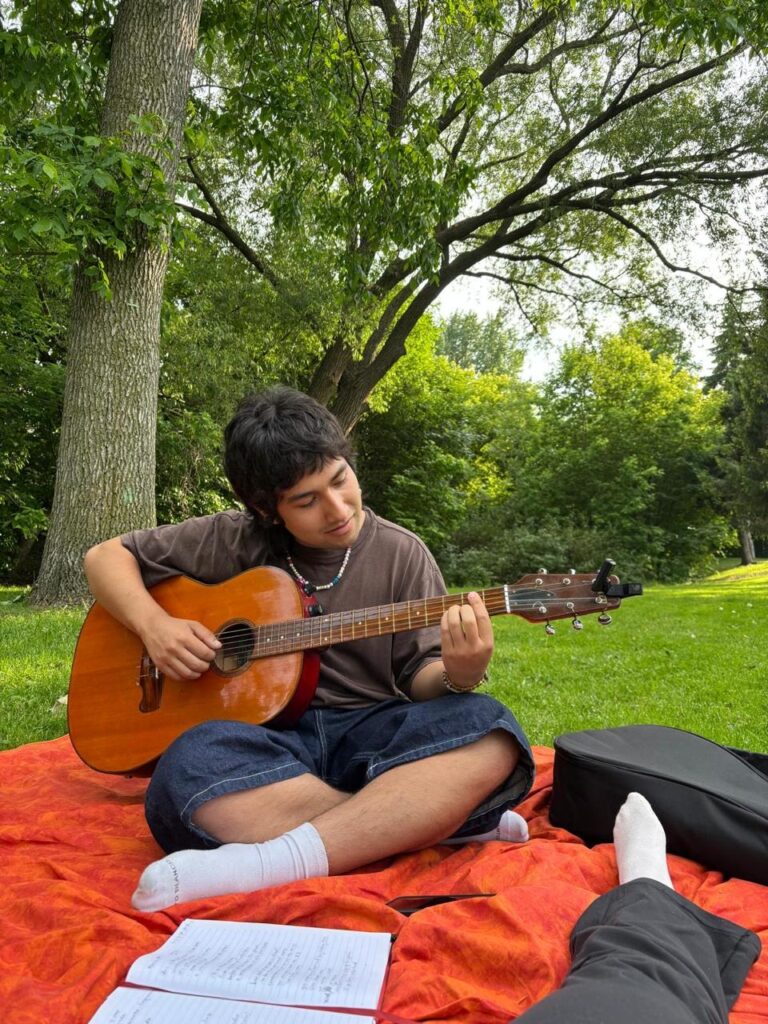
Andrés’ choice, on the other hand, was rooted in their identity and emotions.
“I chose music because it has always been there. I always listen to music and always like to exchange music with people and it just kind of became naturally a part of my life.”
Music wasn’t something they discovered, it’s what they grew up with, making the choice to pursue music feel instinctive.
Explaining their programs to others

When asked how they explain their programs to people outside their faculties, both admitted that it isn’t always easy.
Andrés often has to clarify that music is more than performance. “People ask, ‘how do you study music?’ and I tell them about theory, learning notes just by listening to them, without looking at anything.”
They also emphasized on the importance of jazz theory and that it forms the foundations of much of Western music.
Neer takes a more simplified approach when explaining engineering. “I usually just say I work with robots,” he says. He noted that when explanations become too technical, people lose interest quickly, so focusing on practical applications makes engineering easier to understand.
Tackling misconceptions
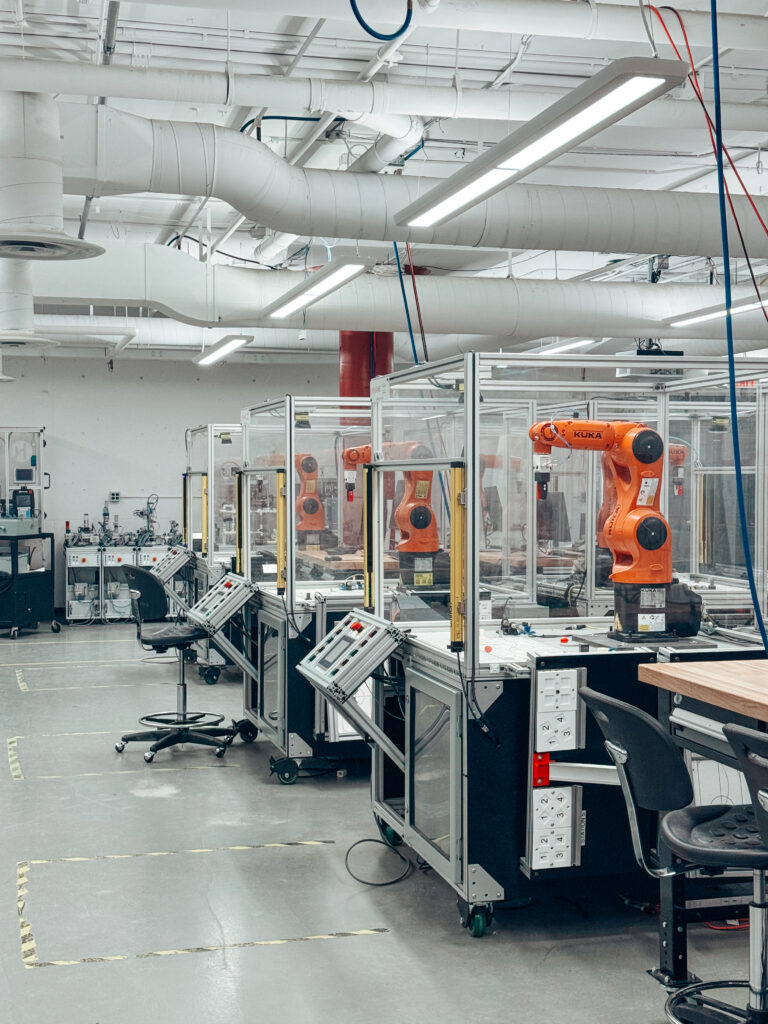
Both students agreed that people outside of their programs underestimate their programs.
“They hear robots and think it’s simple, but there’s so much theory. I barely survived calculus — and we have to use it next semester.” Maroo confessed.
For Andrés, the biggest misconception is that music lacks stability. “People think you’re either broke or rich,” they explained. “But there’s so much business in music. If you don’t put in the time, you won’t get anything out of it.”
A day in their lives
Neer’s schedule is intense but compact, and days are long when it comes to pursuing engineering as a diploma, with frequent labs keeping the students busy.
“One day can be eight hours straight,” he said; balancing labs, theory, and a part-time job.
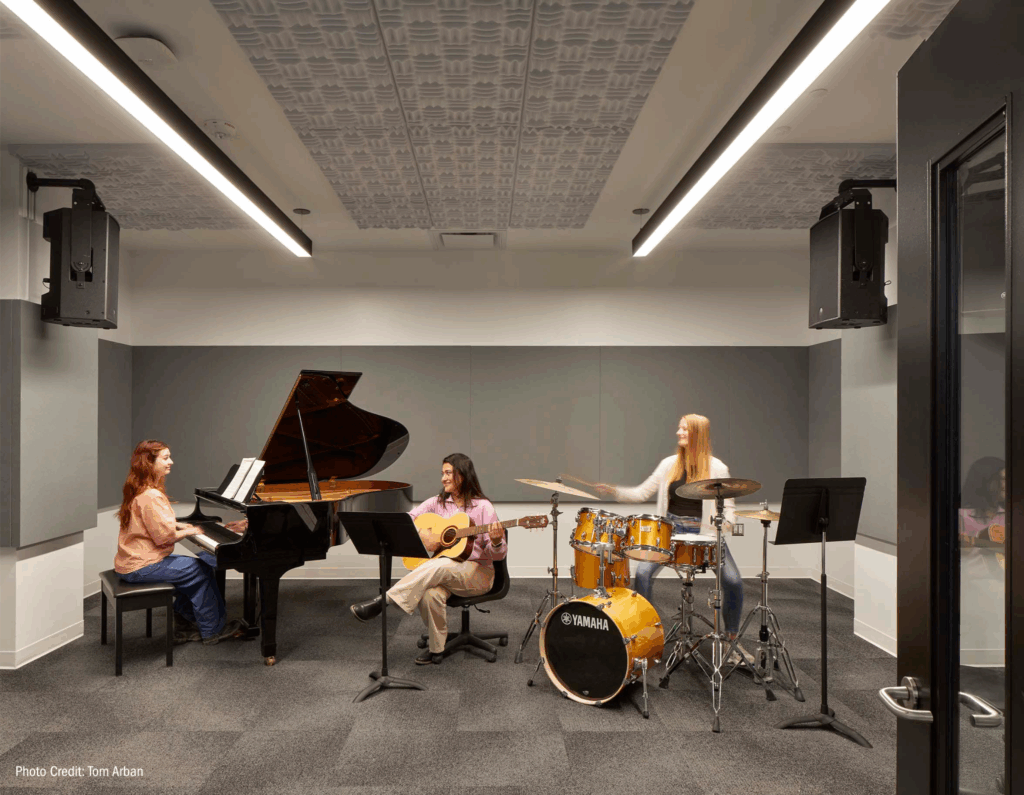
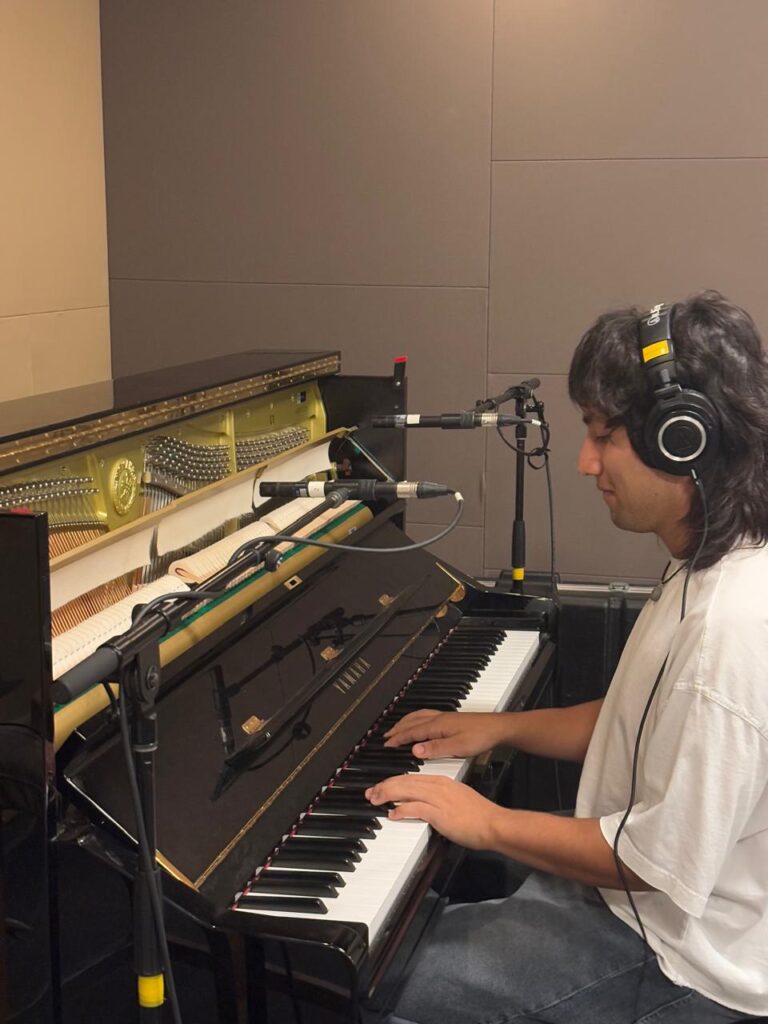
Andrés’ days revolve around practice, performance and listening. Along with theory and production classes, they have one-on-one private lessons with professional musicians, “It’s just me and a professional piano player [sometimes].”
Major assignments
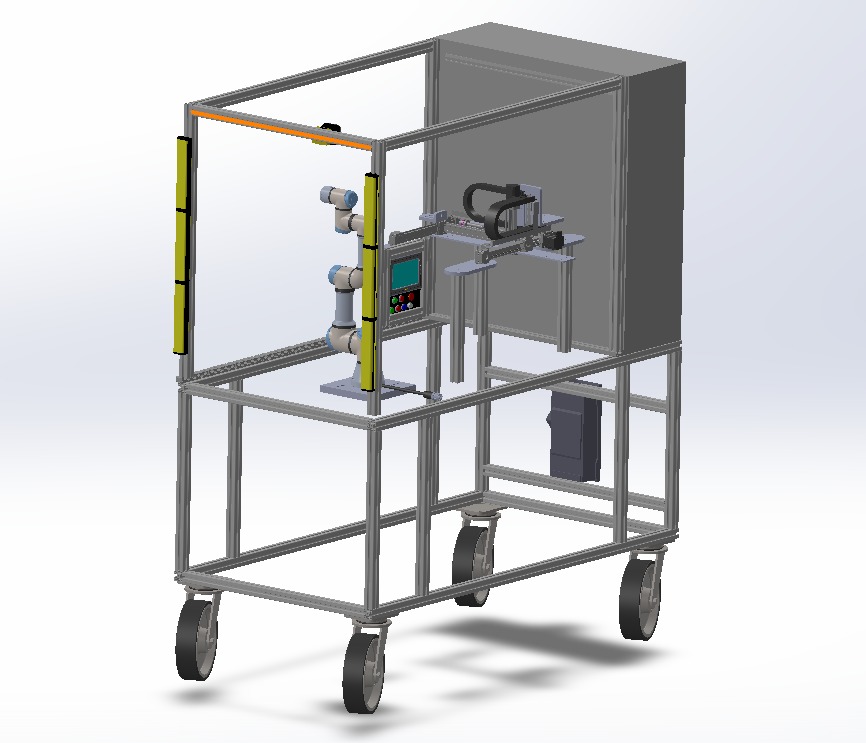
For Neer, the most defining assignment is his capstone project — a robot designed to build scaffolding. “It’s basically what we have learned from semester one to semester six,” he explained. “You’re given something that would be in an industry and told to make a mini version of it.” The project involves extensive planning, wiring diagrams, coding and teamwork.
As for Andrés, music students progress towards recitals and in later years, an EP. “You direct everything, hire anyone you want, play with whoever and choose who you want to be produced by,” they explained. They noted preparation for their recording project is key, since there are only four sessions and it can get very tactical (but still fun).
How studies shape their world
Engineering has made Neer hyper-aware of how things function. “I look at everything and think, ‘I know how this works.’ I open my laptop just to look inside it.”
For Andrés, music reshaped how they listen. “I don’t just hear a song — I hear the chords, the rhythm, what’s happening underneath,” deepening their appreciation of live music and performance.
Seeing the other side
When asked what sounds the hardest about the other’s program, Neer pointed to the final year project and starting from nothing. “In engineering you are given a base but [in music] you have to start from scratch,” he said.
Andrés was more direct: “Math,” they laughed. “That’s just the trauma talking.”
Message to all
When asked to give a message to all the students, here’s what they had to say:
“Go more to the A building [Lakeshore Campus], it’s pretty fun,” says Mendivelso.
“Do it,” Maroo continued, “And to the labs as well, it’s fun,” he laughs.
Different realities
Despite their differences, both students shared a similar mindset.
Put in the work and manage your time.
Whether you’re building robots or writing music, both Neer and Andrés made one thing clear: success in post-secondary isn’t about how easy or hard your program sounds — it’s about how much effort you’re willing to invest and your passion behind it.
Feature image courtesy of Ussama Azam on Unsplash
Have a small living space? Checkout how to create the perfect flow in a small living space
Follow us on YouTube, Instagram and TikTok for all things student life.